- Reduce long-term maintenance costs (no weekly mowing)
- Help absorb stormwater (decrease flooding and water treatment costs)
- Increase biodiversity and wildlife habitat (attract birds and abate mosquito)
- Support healthy ecosystems (pollinators help grow food)
- Sequester carbon (fight climate change)
- Natural beauty all year (not just summer)
REDUCE LONG-TERM MAINTENANCE COSTS
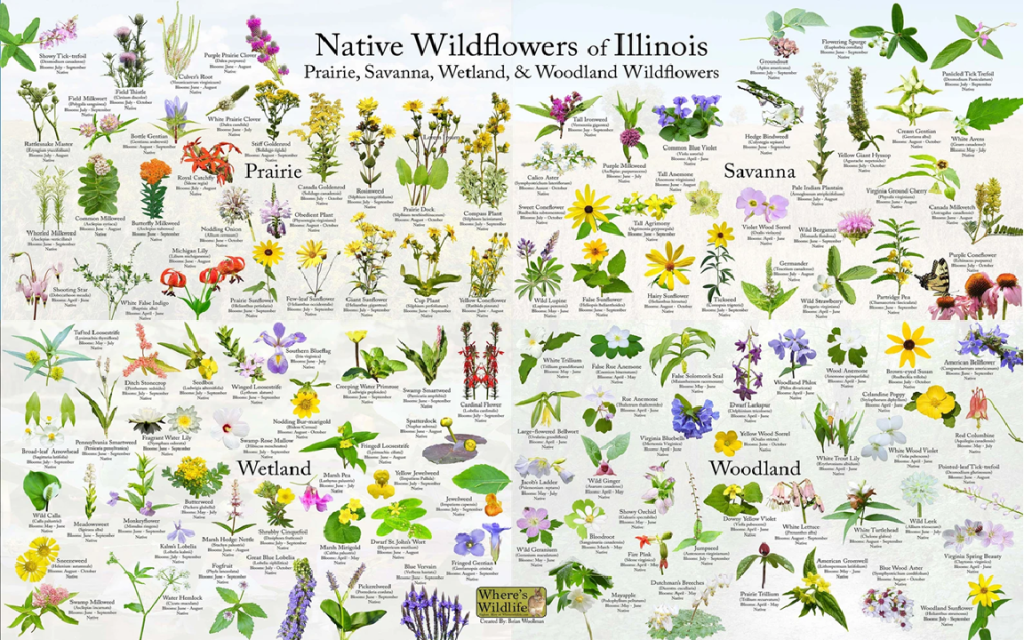
Native plants need to be planted once and initially watered, weeded, and mulched. They are perennial and grow back every year without being planted again. Most of the plants native to this area are “drought tolerant”. Unlike your typical lawn, they don’t need regular mowing or watering and will keep weeds out. Full-sized native plants need little to no mulch. Still, a yearly spring clean-up is recommended.
HELP ABSORB STORMWATER
Climate change brings heavier rainfalls. Our sewer system wasn’t designed for this increased amount of water per hour. With their very deep root systems, native plants absorb more water than turf grass or annuals during heavy rain events. Native plants help prevent sewer overflows and decrease water treatment costs saving our tax dollars.
Increase biodiversity and wildlife habitat
The insects in this area evolved in parallel with the native plants. Planting those plants will support a thriving insect community. This, in turn, will attract a thriving bird community, including cardinals, goldfinches, doves, and hummingbirds. To watch these birds in your yard, they don’t just need a bird feeder. Some birds eat seeds. Others eat berries. Some eat insects. Insects need plants. Planting a wide variety of plants provides food that attracts birds. Some insect-eating birds will help keep your mosquito population down for free!
Biodiversity means many different species living together in an ecosystem. It includes dozens of species of insects, birds, plants, and soil microbes. A healthy ecosystem supports many different types of plants and animals. It relies on those plants and animals to stay healthy.
Support healthy ecosystems
Healthy ecosystems are important because they supply many “ecosystem services” that we take for granted. They clean the air and give oxygen for us to breathe. They support the pollinators that allow us to eat everything from apples and cherries to tomatoes, mint, and squash. They mitigate flooding during heavy rain. Shady ecosystems reduce our cooling costs in the summer without increasing our heating costs in the winter. They clean the water so we don’t have to work as hard to remove pollutants from drinking water.
In 1997, New York City decided to spend $600 million to preserve a watershed north of the city. This decision was made because the microbes purify the water as it seeped through the soil. The alternative was to pay more than 10 times as much for a water treatment plant!
Sequester Carbon
Most of the things we do every day cause carbon dioxide (CO2) to be emitted. This gas stays in the air for up to a million years. It absorbs heat, which causes global warming. To prevent the world from warming up, it’s important that we reduce the amount of CO2 put into the air and pull existing CO2 out of the air!
That’s where “carbon sequestration” comes in. It involves removing CO2 from the air and locks it away so CO2 can’t return. Trees and plants with deep roots like native Illinois plants pull a lot of CO2 out of the air. Can’t add trees to your yard? Opt to plant native grasses and flowers to help fight climate change!
Natural beauty all year
The typical Skokie yard is a lawn of Kentucky Blue Grass. Some houses are surrounded with a few yew bushes and some annual plants. It’s only pretty for about half of the year. The grass turns brown, the flowers are dead, and the bushes are “meh”.
A native garden provides “winter interest”. Winterberry holly and red twig dogwood are interesting to look at all year long and not just during the summer. They offer color. Native grasses and other native plants make your yard interesting and especially beautiful in the snow.
RESOURCES
Air Quality
- Air Quality Guide for Particle Pollution
- See the air quality for your area here
- Signs of unhealthy air and how to keep yourself safe indoors and outdoors
- About the Air Quality Index
Native Plants
- What Are Native Plants and Why Plant Them?
- Native Plant Finder by Zip Code
- IL Dept of Natural Resources Native Plant Information
- Patty Iverson – Native Landscaped Gardens
Sustainable Lawn Care
- How Chemical Fertilizers Harm the Environment
- Leave the Leaves
- Sustainable Lawn Care 101: How to Maintain a Green Yard Without Harming the Planet
- The Environmental Benefits of Electric Mowers
- Lawn Care Goes Electric (Longer report by the Public Interest Group)
Permaculture
Understanding Permaculture: Principles, Practices, and Benefits
Composting
Why Compost and Composting Options in Skokie
Rainwater management
 gogreenskokie.org